

Locksmithery’s Guide to Door Locks in your home
Home security is one of the most important concerns for homeowners and tenants across the UK. Whether you live in a modern apartment, a traditional terraced house, or a detached property, the type of locks fitted to your doors and windows can significantly impact your safety and insurance compliance.
Many people do not realise how many different types of locks are used in UK homes. From euro cylinders and mortice locks to night latches and smart locks, every locking system has its own purpose, level of security, and potential weaknesses.
Understanding the various types of locks found on and inside UK houses can help you make informed decisions about upgrading your security, replacing worn locks, or protecting your property against burglary.
This guide explains the most common types of locks in UK homes, how they work, and the strengths and weaknesses of each.
Why Choosing the Right Lock Matters
A lock is your property’s first line of defence against intruders. Poor quality or outdated locks can leave your home vulnerable to common burglary methods such as:
Lock snapping
Lock bumping
Forced entry
Door kicking
Lock picking
Cylinder extraction
Many insurance companies in the UK also require approved locks that meet British Standards, particularly BS3621.
The right lock can improve:
Home security
Insurance compliance
Property value
Peace of mind
Resistance against burglary
Special consideration
It is also important to know that if you rent then changing any entry/exit lock must be approved by the landload. A trusted locksmith will always require written/verbal consent prior to changing a lock.
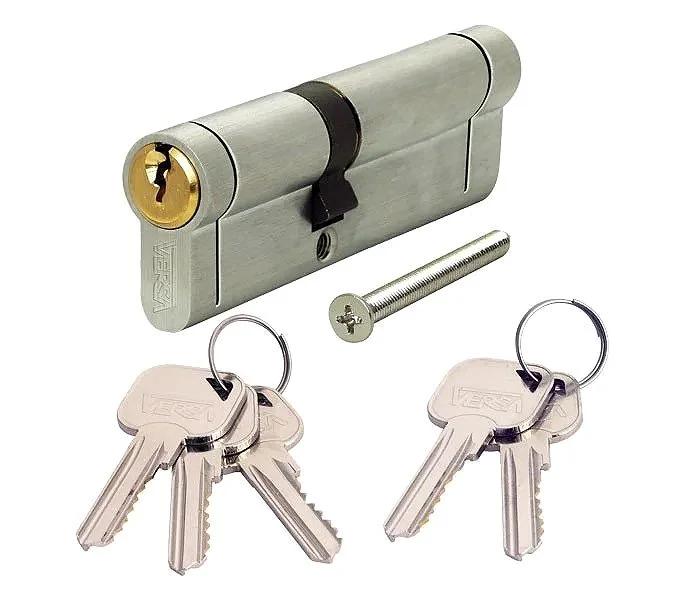
Euro cylinder locks are among the most common locks found in UK homes today. They are widely used on uPVC doors, composite doors, euro mortice sash deadlock and some aluminium doors.
How Euro Cylinder Locks Work
The lock cylinder sits within a multi-point locking mechanism or a euro mortice sash deadlock. When the key turns, it operates the central locking system that secures the door at multiple points.
Weaknesses of Euro Cylinder Locks
Vulnerable to Lock Snapping
Cheap or outdated cylinders are highly susceptible to lock snapping attacks.
Installation Quality Matters
Poor fitting can leave the cylinder exposed and easier to attack. A cylinder should not protrude more than 3mm from the handle housing.
Variable Security Standards
Not all euro cylinders meet British Standard requirements.
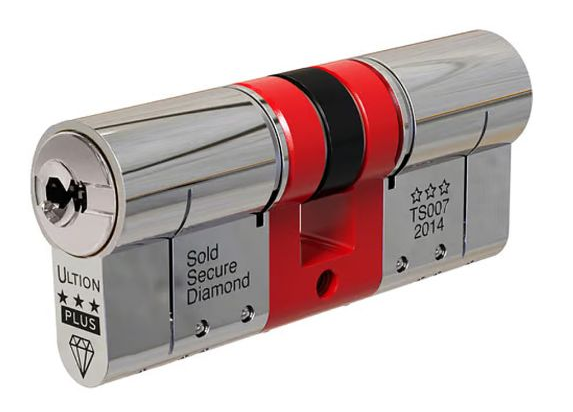
For maximum protection, homeowners should choose TS007 3-star or Sold Secure approved cylinders.
Strengths of Euro Cylinder Locks
Widely Used and Easy to Replace
Euro cylinders are available in many sizes and security grades, making them easy to upgrade or replace.
Compatible with Multi-Point Locking Systems
Most modern uPVC, euro mortice sash lock and composite doors rely on euro cylinders.
High-Security Options Available
Anti-snap, anti-pick, anti-bump, and anti-drill cylinders offer excellent protection.
Affordable Security Upgrade
Replacing a standard euro cylinder with an anti-snap version is relatively inexpensive.
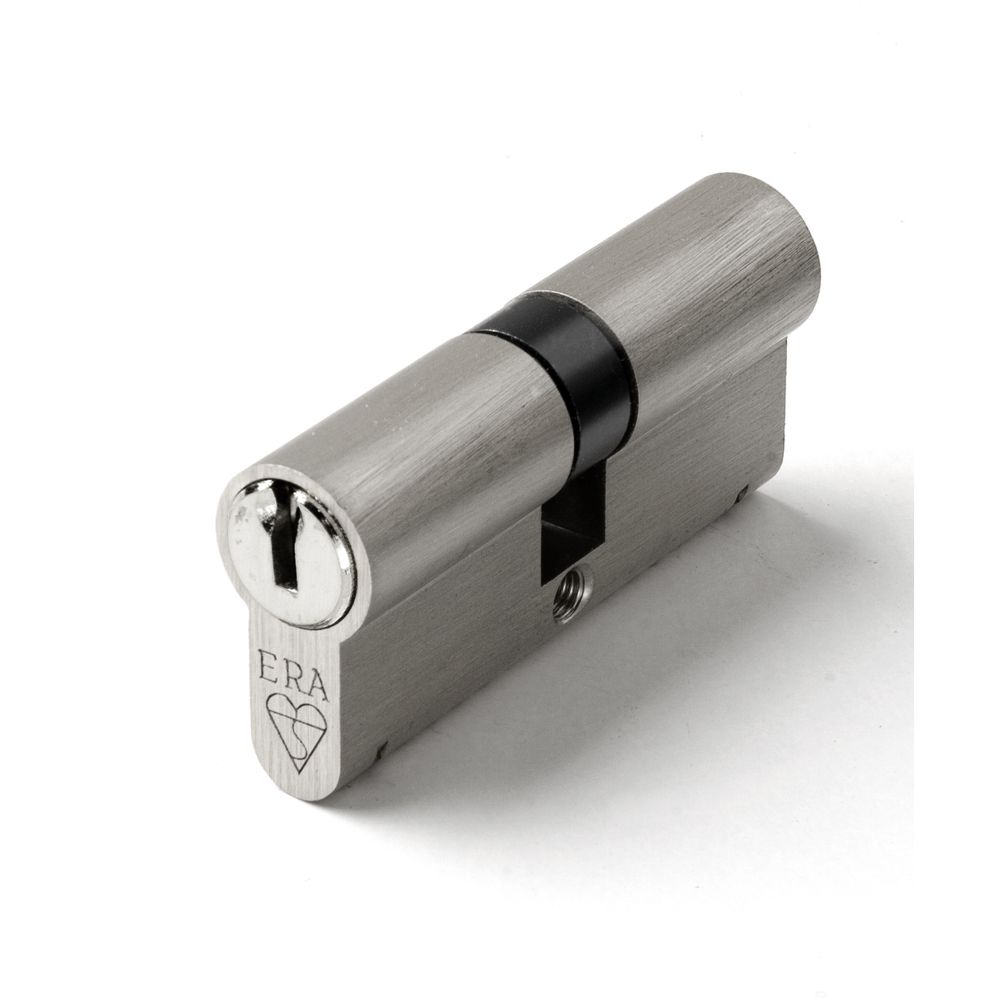
Weaknesses of Euro Cylinder Locks
Vulnerable to Lock Snapping
Cheap or outdated cylinders are highly susceptible to lock snapping attacks.
Installation Quality Matters
Poor fitting can leave the cylinder exposed and easier to attack. A cylinder should not protrude more than 3mm from the handle housing.
Variable Security Standards
Not all euro cylinders meet British Standard requirements.
For maximum protection, homeowners should choose TS007 3-star or Sold Secure approved cylinders.
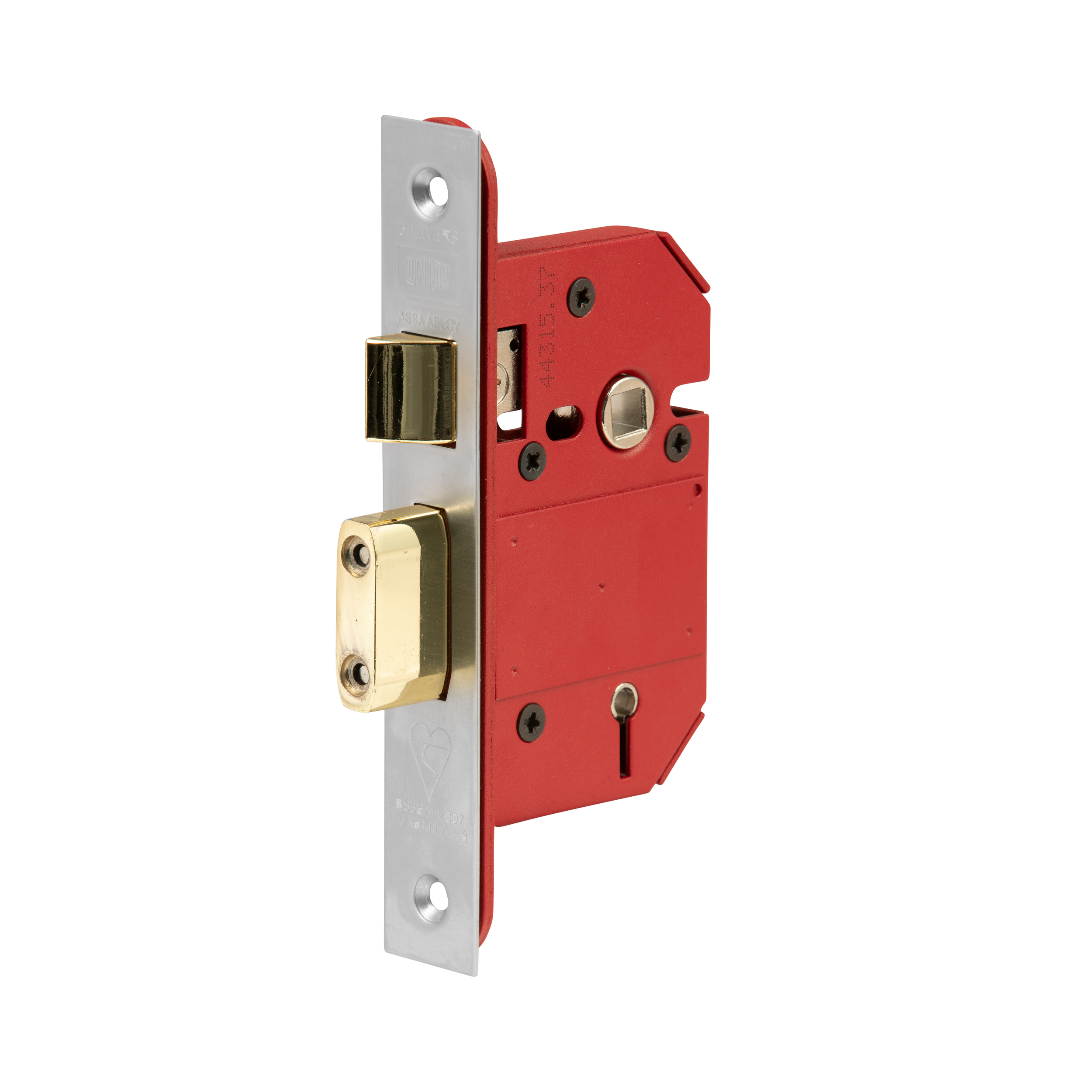
Mortice locks are traditional locks fitted inside wooden doors. They are extremely common on older UK properties and front doors.
Types of Mortice Locks
There are various types:
2 and 3-lever mortice locks
5-lever mortice deadlocks
5-lever British Standard 3621 mortice deadlocks
Mortice Sashlock
Detainer lock
Euro Mortice deadlock
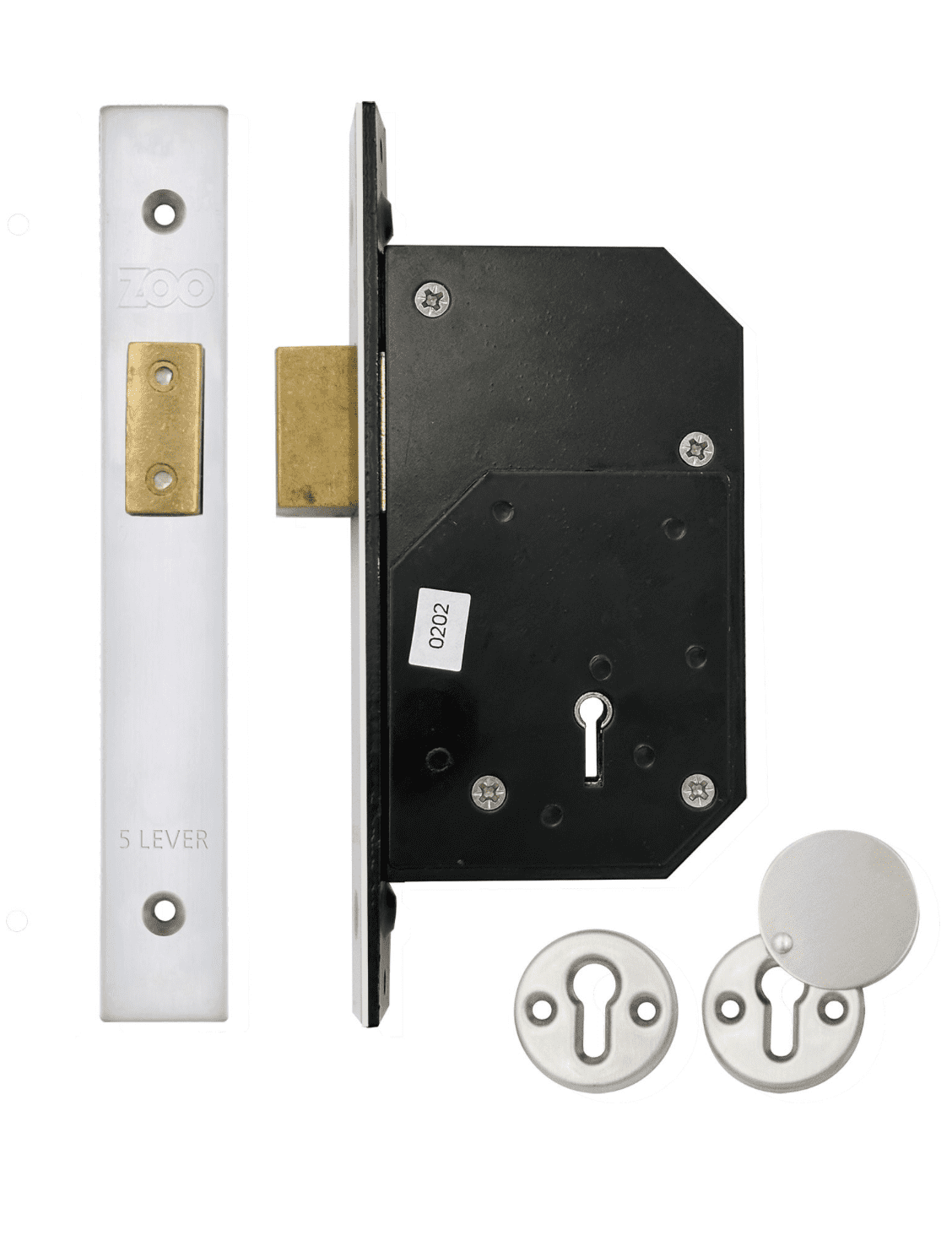
Strengths of Mortice Locks
Excellent Security
A quality 5-lever mortice lock provides strong resistance against forced entry.
Insurance Approved
Many insurers specifically require BS3621 mortice deadlocks.
Strong Internal Construction
Mortice locks are embedded deep inside the door structure.
Long Lifespan
Well-maintained mortice locks can last for decades.
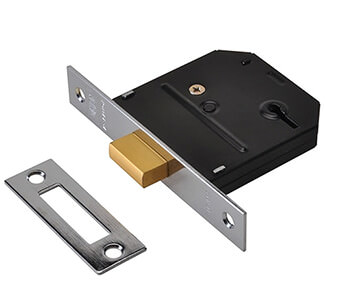
Weaknesses of Mortice Locks
Difficult Installation
Fitting mortice locks requires cutting into the door. It typically takes up to 2 hours to conduct a fresh installation. However, a simple like for like replacement can take minutes.
Key Loss Risks
Lost keys may require lock replacement.
Older Models Can Be Picked
Low-quality or worn mortice locks may be vulnerable to lock picking.
Mortice deadlocks remain one of the most trusted locks for timber front doors in the UK.
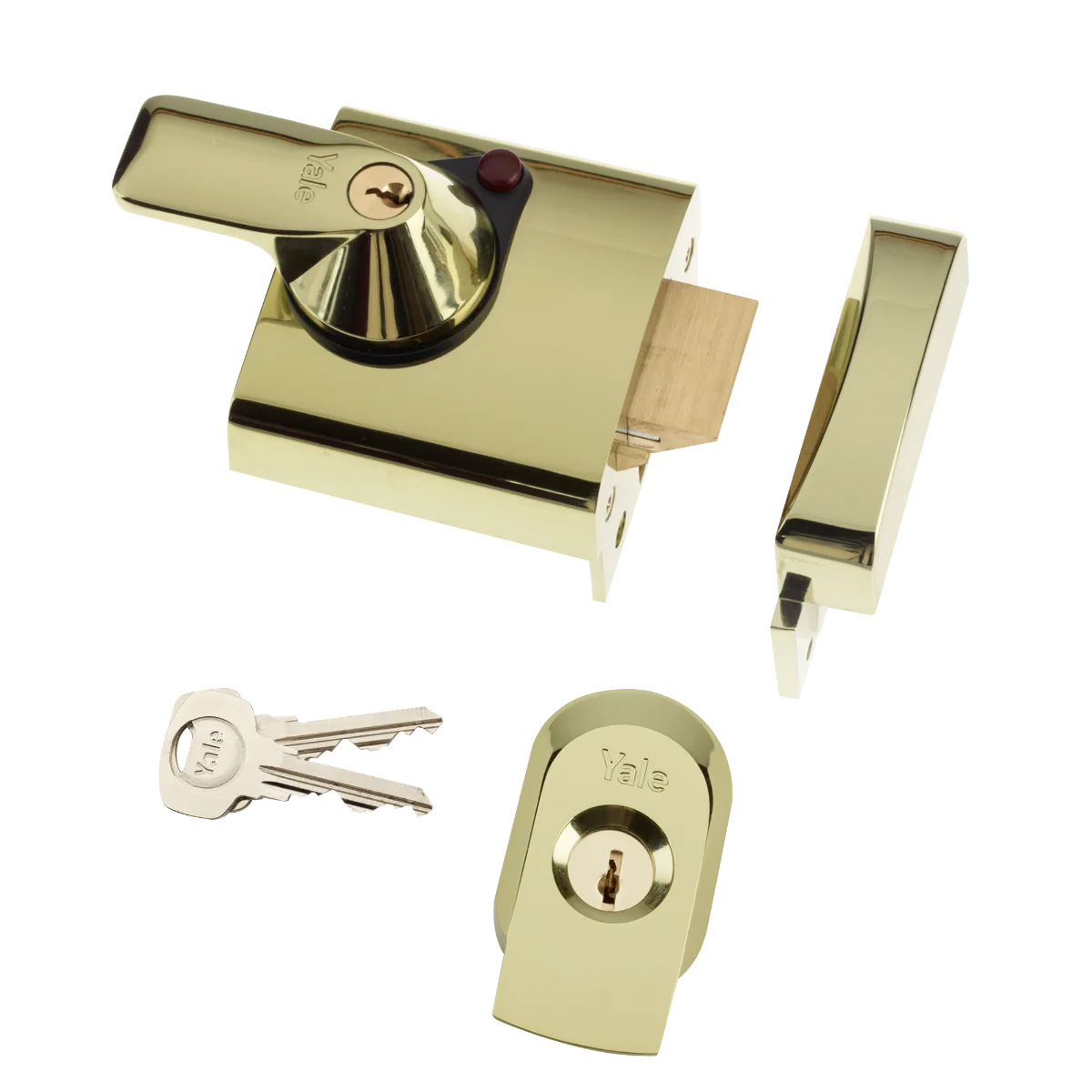
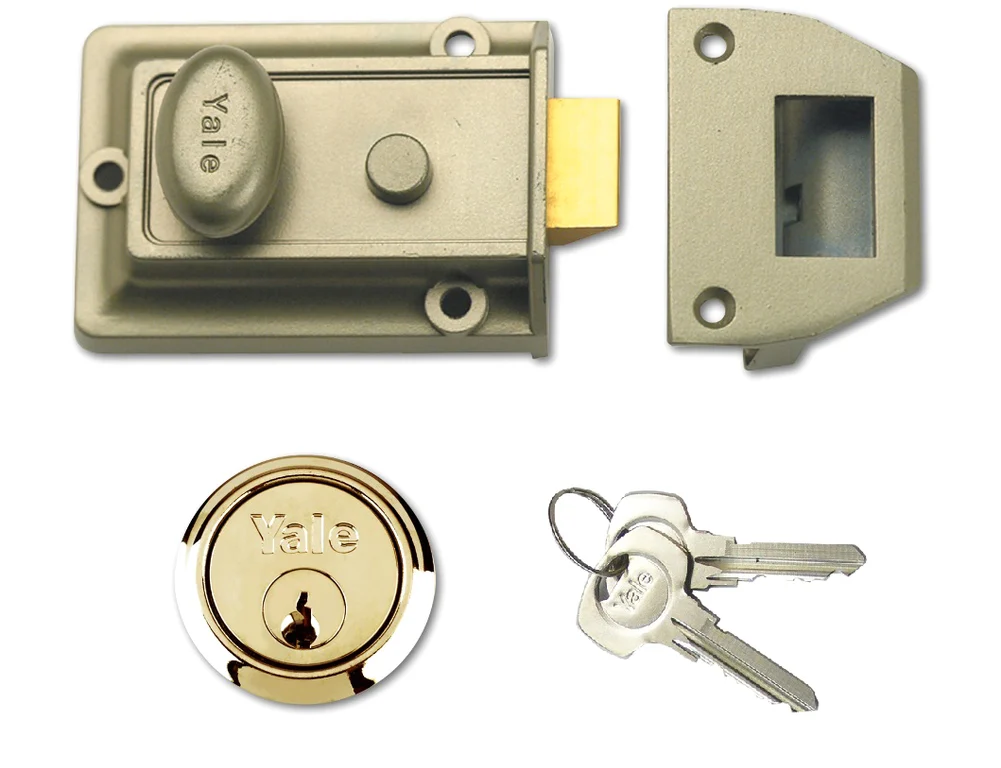
Night latches, often called Yale locks, are mounted on the inside surface of wooden doors.
How Night Latches Work
The latch automatically locks when the door closes and can be opened from outside using a key.
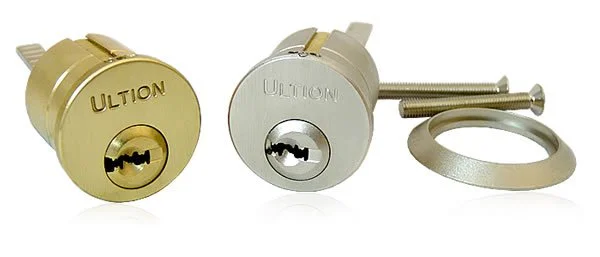
Strengths of Night Latches
Convenient Everyday Use
Doors lock automatically behind you.
Simple Operation
Easy for families and regular use.
Additional Security Layer
Often used alongside a mortice deadlock.
Affordable
Night latches are relatively inexpensive.
Weaknesses of Night Latches
Lower Security Alone
A night latch should never be the only lock on an external door.
Vulnerable to Forced Entry
Weak frames can allow latch bypass attacks.
Can Slam Shut Accidentally
Many homeowners lock themselves out due to accidental closure.
Modern British Standard night latches offer improved security features including anti-bump cylinders and reinforced keeps.
4. Multi-Point Locking Systems (uPVC)
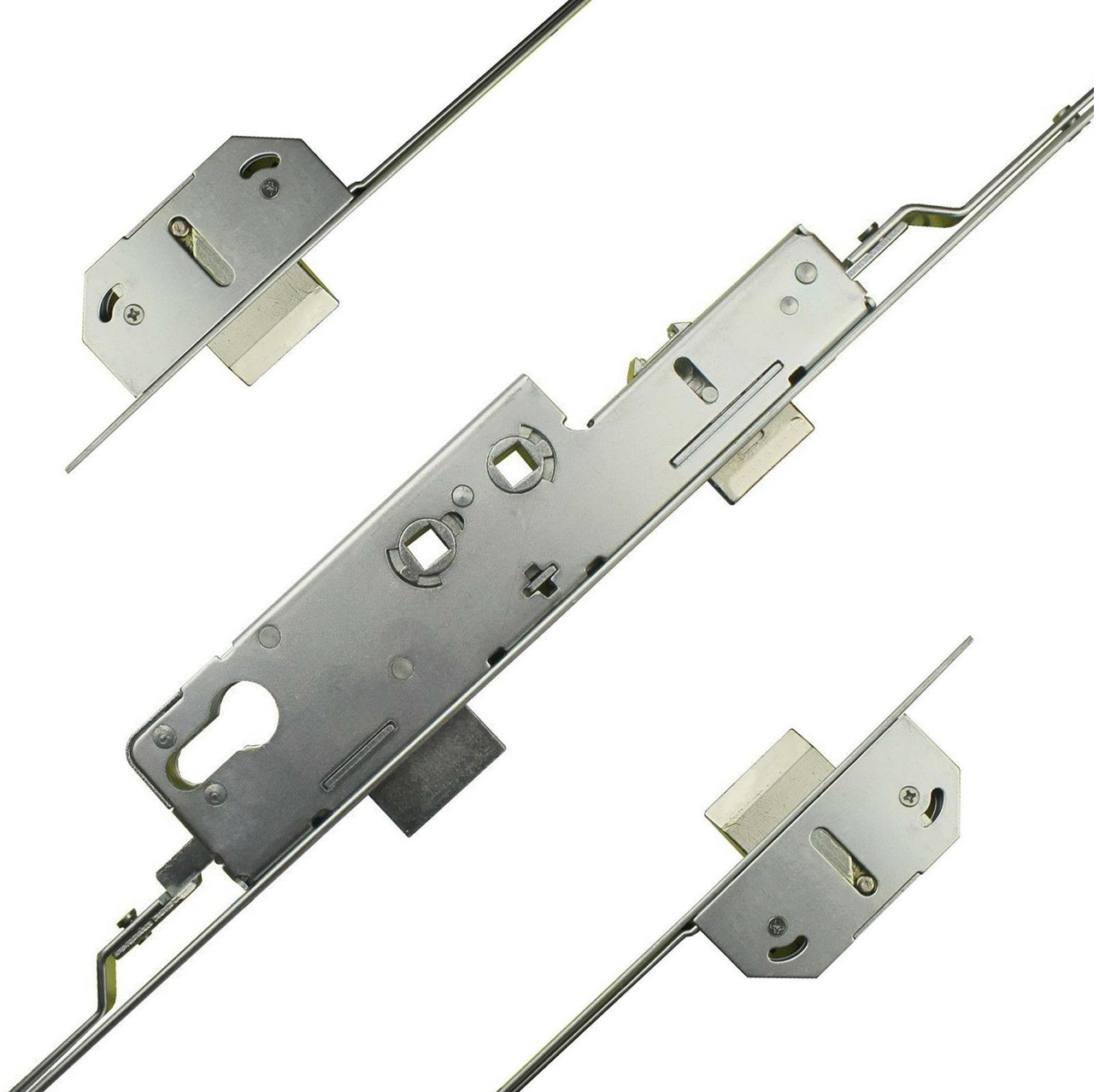
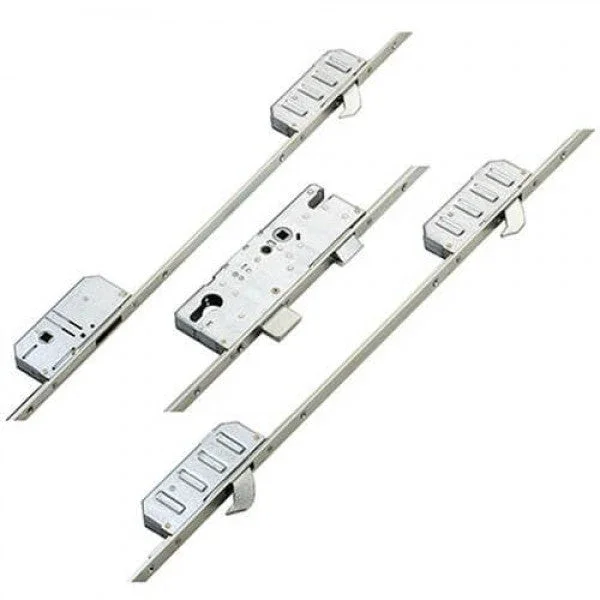
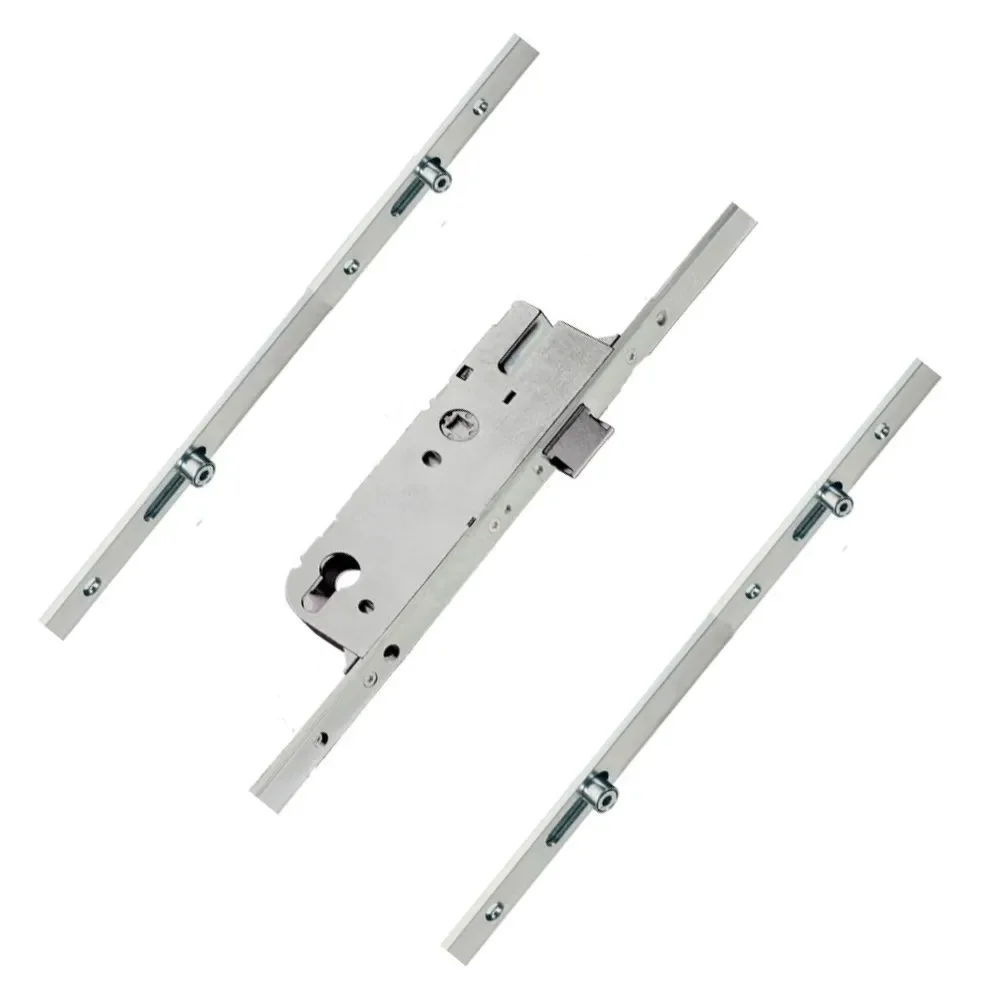
Multi-point locking systems are standard on modern uPVC and composite doors.
How Multi-Point Locks Work
Lifting the handle activates several locking points along the frame, including hooks, rollers, bolts, and deadlocks.
Types of Spindle Type
The spindle is what is attached to the handles and enables the gearbox to engage with the multi-point system. There are three types of sprindle, and they are:
Single spindle - A single, solid spindle passes through the gearbox. Both inside and outside handles operate the latch. The door can be opened from outside without a key, even if unlocked.
Split Spindle - The gearbox has two separate spindle mechanisms (followers) that meet in the middle. The outside handle cannot retract the latch unless a key is used to unlock it. This offers passive security, ensuring the door cannot be opened from the outside simply by turning the handle, even if the main locks are not engaged.
Twin/Dual Spindle - This looks similar to a split spindle but often implies two separate, distinct spindle holes. It is typically used for specific lever/pad configurations
Strengths of Multi-Point Locks
Excellent Security Coverage
Locks the door at several points simultaneously.
Improved Door Stability
Helps prevent warping and flexing.
Better Weather Sealing
Compression points improve insulation.
Strong Resistance Against Forced Entry
Especially when combined with anti-snap cylinders.
Weaknesses of Multi-Point Locks
Mechanical Complexity
More moving parts increase wear potential.
Alignment Problems
Dropped doors can prevent smooth locking.
Expensive Repairs
Replacing failed gearboxes or mechanisms can be costly.
Multi-point locks are among the most secure locking systems available for residential properties.
6. Smart Locks
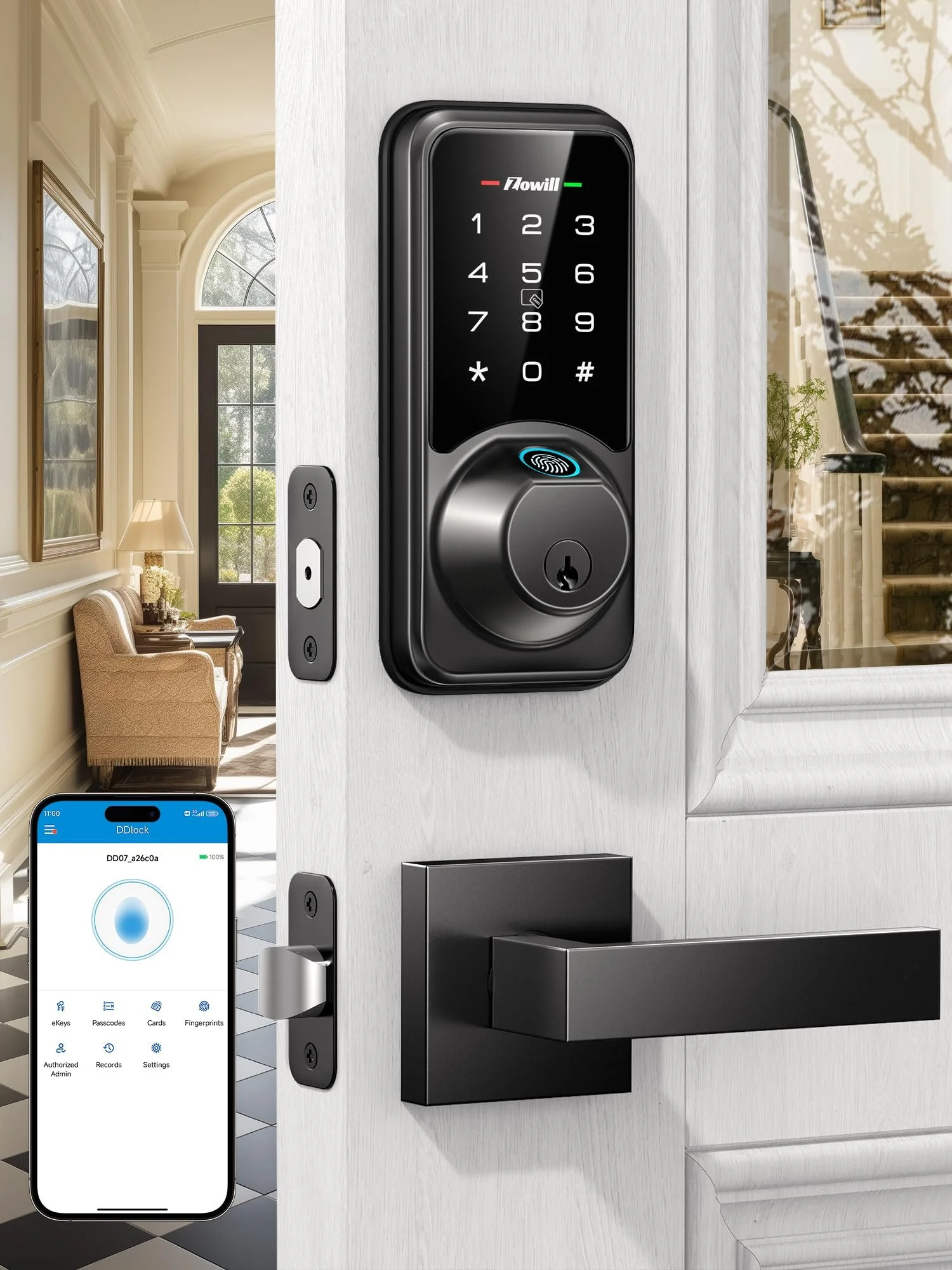
Smart locks are becoming increasingly popular across the UK.
How Smart Locks Work
They allow keyless entry using:
Smartphones
Keypads
Fingerprints
Bluetooth
Wi-Fi
Voice assistants
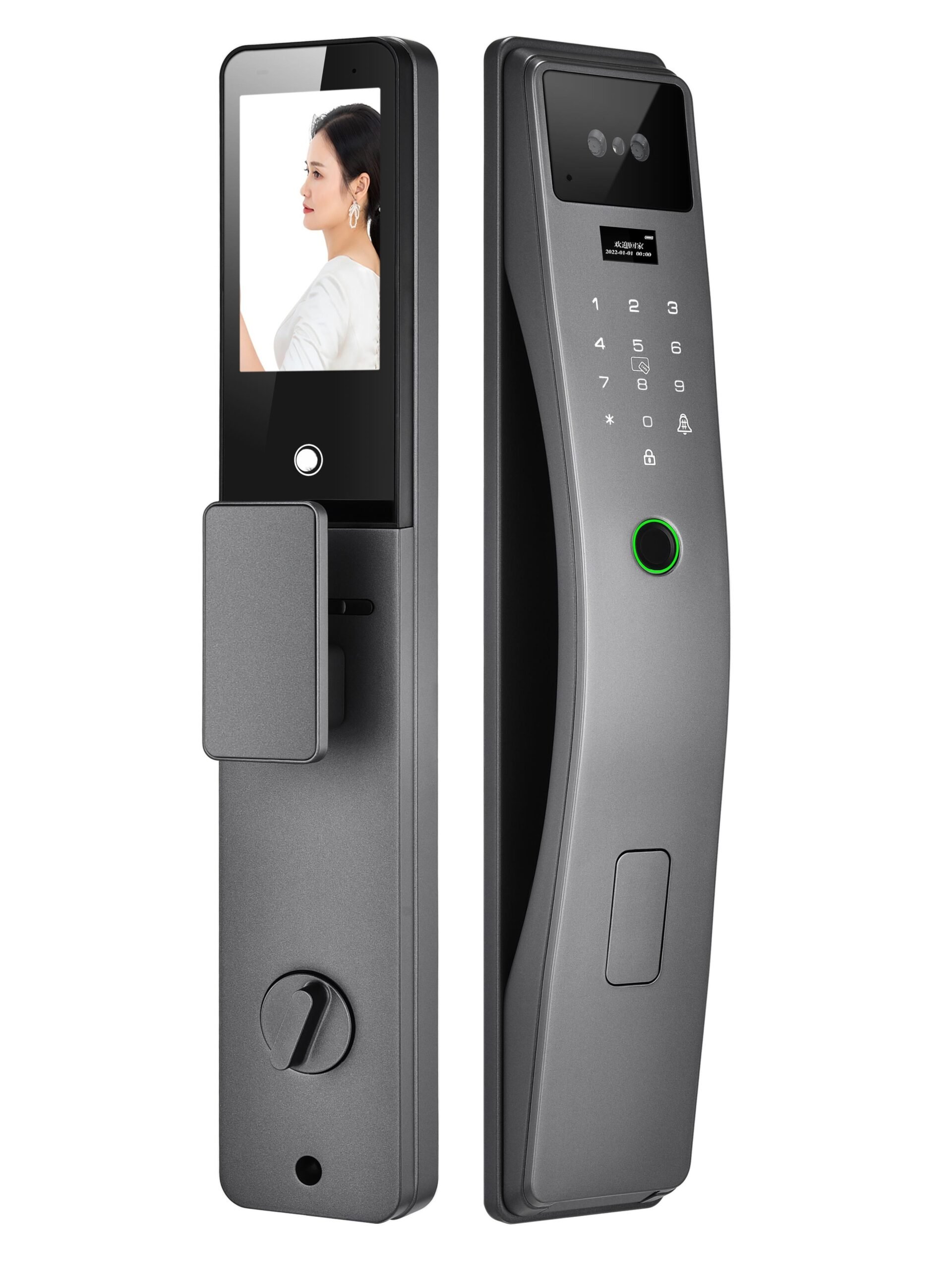
Strengths of Smart Locks
Convenience
No need to carry physical keys.
Remote Access
Users can lock and unlock doors remotely.
Access Monitoring
Track who enters and exits.
Temporary Access Codes
Ideal for Airbnb properties and guests.
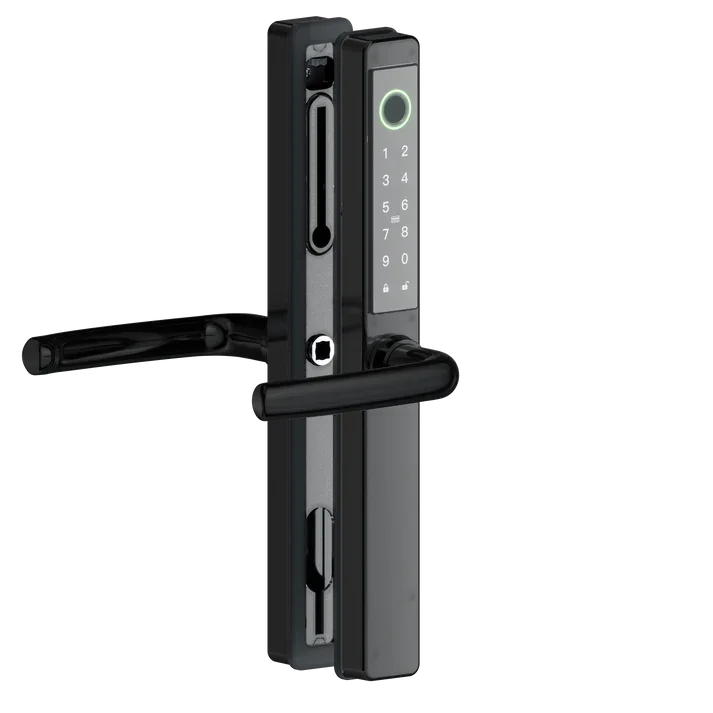
Weaknesses of Smart Locks
Battery Dependence
Dead batteries can cause lockouts.
Cybersecurity Risks
Poor-quality smart locks may be hackable.
Internet Connectivity Issues
Some systems rely heavily on Wi-Fi stability.
Higher Cost
More expensive than traditional locks.
When choosing smart locks, homeowners should select trusted brands with strong encryption and physical backup options.
Locksmithery’s Final Thoughts
There are many different types of locks used in UK homes, each offering unique levels of security, convenience, and protection. From traditional mortice locks and Yale night latches to advanced smart locks and multi-point locking systems, understanding the strengths and weaknesses of each lock type helps homeowners make better security decisions.
The best security setup often combines multiple lock systems with British Standard approval and modern anti-burglary features. Regular maintenance, professional installation, and timely upgrades are essential for keeping your property secure.
Investing in high-quality locks not only protects your home and family but can also improve insurance compliance and increase long-term peace of mind.
